Reducing Food Waste

Food deserves respect from farm to table and back to the soil. Journalist Jonathan Bloom shares how families and farmers can waste less.

A Nourish conversation with Jonathan Bloom Themes: Farm to Fork, Cooking and Eating

How much food do Americans waste, and where does it go?

Americans waste about 40 percent of the food we grow and raise, when you look at the calories produced versus calories consumed. It’s staggering. As for how that happens, the short answer is that a decent chunk is squandered at each step of the food chain. Unfortunately, the vast majority of the food thrown out goes straight into the landfill. Food rotting in landfills produces methane emissions, which contribute to climate change.

Why should we be concerned about food waste?

In addition to the issue of methane gas, wasted food represents a real squandering of precious resources. In particular, the large amounts of oil and water used to create our food go for naught when we waste as much as we do. About two percent of all U.S. energy consumption goes to producing the food that we subsequently discard.

Household-level food waste alone accounts for a $240 billion annual loss on a national level. According to the U.S. Environmental Protection Agency (EPA), the average family of four discards nearly $3,000 worth of uneaten food annually.

It’s shameful to waste 30-40 percent of our food when millions of Americans are food insecure. It’s all the more disgraceful considering that we throw out enough food to feed all of the world’s hungry.

What are some examples of how we might create a less wasteful food system?

We can find ways to harvest all that we grow, then redistribute our excess to nonprofits that will get the food to those who need it. We can convince restaurants and supermarkets to donate all of their excess, not just the shelf-stable items, to hunger-relief agencies. We can streamline tax deductions and make them available to all farms that donate food, not just the incorporated ones. We can offer more choice in restaurant portion sizes, and work to make doggy bags cool, or at least commonplace.

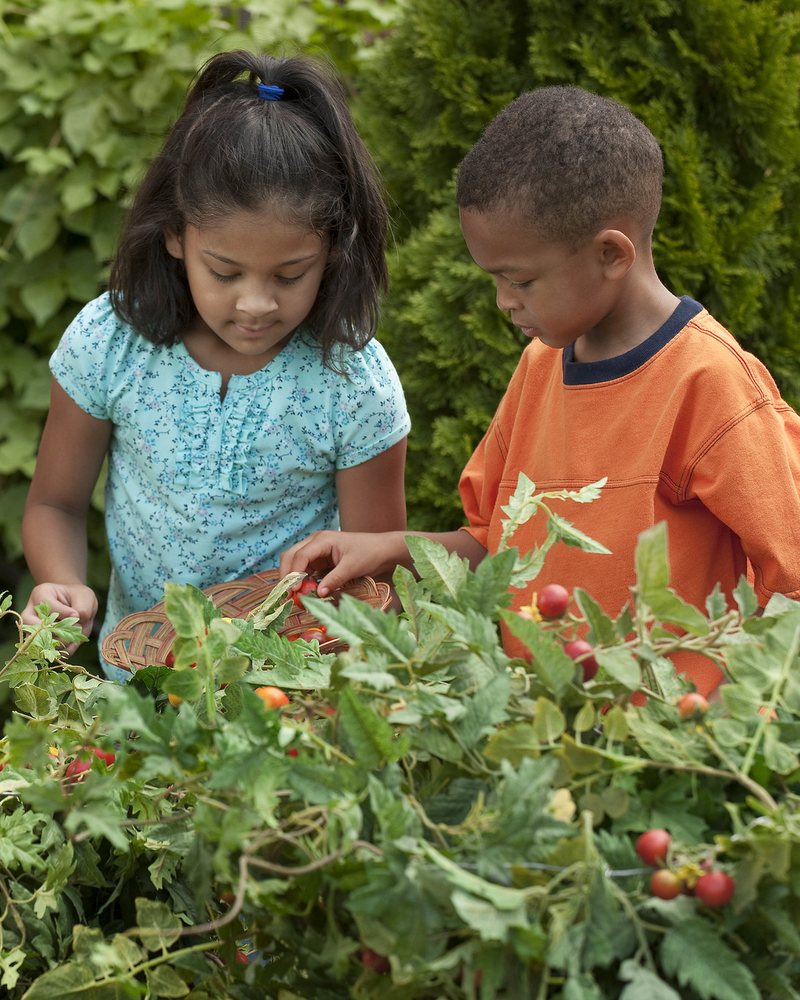
We can connect kids to their food through gardening programs, communicating that food isn’t something to be squandered. Finally, we can ban food waste from the landfill to prompt waste reduction at all stages of the food chain.

There will always be some food that does not get used. We need to view food waste as the resource that it is, using it to create energy via anaerobic digestion, or returning the nutrients to the soil through composting. We need to encourage businesses and individuals to separate discarded food from the regular waste stream. But that source separation can’t happen without more infrastructure: haulers with dedicated collection routes and destinations for this food waste.

What are a few personal action steps for reducing food waste?

Buy less food. Plan meals and make a detailed shopping list, or make smaller, more frequent shopping trips.

Serve smaller portions. Give friends and family a bit less food to start, and have them go back for seconds. Using smaller plates helps.

Eat leftovers. Save time and money by keeping the excess from your restaurant and home meals. You can often repurpose them into a new meal.

Curb fridge and freezer clutter. By not overcrowding, you’ll reduce many of those refrigerator casualties. Keep a “use-it-up” shelf, and put newer groceries in the back to push older foods to the front.

What does the food movement mean to you?

Any kind of food movement must include more sustainable production, hopefully done locally. There is nothing sustainable about producing twice the amount of food that we need, unnecessarily taxing the soil and our precious oil and water supplies in the process. That’s why any food movement must include this simple idea: use what we grow.

About the perspective

Jonathan Bloom

Jonathan Bloom is a journalist, speaker, and consultant based in Durham, North Carolina, who has been documenting how much food Americans throw away since 2005. His book American Wasteland helped push food waste into national conversation, and his blog Wasted Food chronicled the problem from farm to fridge.

More Perspectives

Other voices from across the food system.

See all 
Q&A
Arden Bucklin-Sporer

School Gardens

Q&A
Nadine Burke Harris and Michael Pollan

School Lunch

Q&A
Vicki Robin

The 10-Mile Diet