Local Food

Buying from a local farmer is a direct investment in your community. Anna Lappé, Anim Steel, and chef Bryant Terry discuss the benefits of eating local.

A Nourish conversation with Anna Lappé, Anim Steel, and Bryant Terry Themes: Farm to Fork, Food and Community

What does it mean to eat locally?

Anna Lappé

“Buy local” campaigns are popping up all across the country. The principle is pretty simple, which is that there is great value in supporting local businesses, including local farmers. Studies have shown that for every dollar that you spend at a megastore that’s owned by a corporation far away from your town, just a tiny fraction of that dollar actually goes back to your own community.

Anim Steel

In many states, the vast majority of the food comes from outside of the state. It’s interesting to think about states that have a long agricultural history and capacity. Most regions can produce much more food locally. They’re missing the opportunity to support their local farmers and grow food-related industries.

What are some benefits of buying local food?

Anna Lappé

Local food is about getting the freshest and best-tasting food. It’s also about connecting to and strengthening your community. The more that you buy locally, the more you contribute to the health of your local economy. There are multiple benefits. It may mean that your community has more resources for public works like roads or schools. And you preserve farmland in your area, preventing sprawl and allowing natural habitats to thrive.
How can people help support their local food system?

Anim Steel

I’ll give you an example. At the University of Massachusetts, the dining hall set out to source about 20 percent of their fruits and vegetables from the surrounding area. A lot of people think that in a colder climate, like Massachusetts, that would not be possible.

But schools that commit to it are finding that if they work with farmers and nonprofit agencies, they are able to increase local procurement. People appreciate it — both the farmers who have a new market and the people who are eating the food.

Bryant Terry

I think when we talk about eating locally it’s going to mean something different in whatever geographic locale you’re living in. In parts of the country that have a shorter growing season, it’s about doing as much as you can.

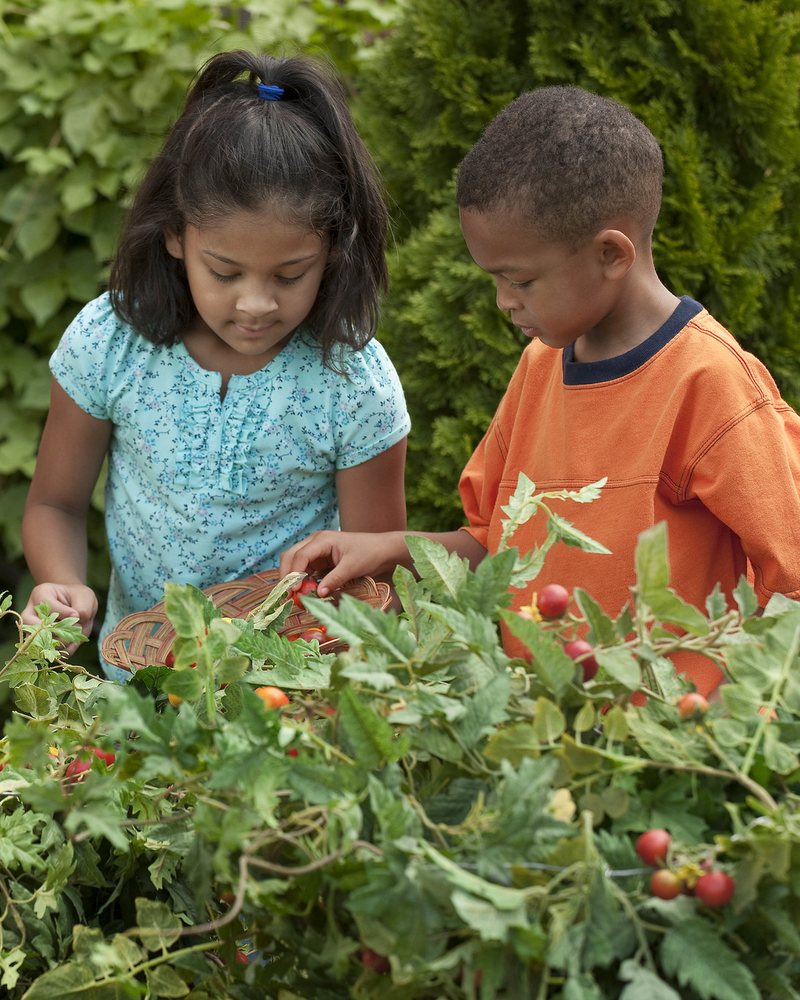
We want to help create local food systems in which more farmers can participate in regional economies. When there isn’t the opportunity to do that, it’s about creating your own local food system. Even if you don’t have many farmers in the area, you can start by growing fresh produce in a small garden box, or being part of a community or school garden.

About the perspective

Anna Lappé

Anna Lappé is Executive Director of the Global Alliance for the Future of Food and founder of Real Food Media. A longtime advocate at the intersection of food systems, climate, and justice, she co-founded the Small Planet Institute with her mother, Frances Moore Lappé, and wrote Diet for a Hot Planet.

Photo: AJ Stetson/Punani Brown
About the perspective

Anim Steel

Anim Steel co-founded the Real Food Challenge, the student campaign that pushed colleges to shift a billion dollars of food purchasing toward local, fair, and sustainable sources. He came to the work through youth organizing at Boston’s Food Project, and was named an Echoing Green Global Fellow in 2010.

About the perspective

Bryant Terry

Bryant Terry is a James Beard Award–winning chef, author, and artist whose work connects food, justice, and the African diaspora. Founder and editor-in-chief of the 4 Color Books imprint, he writes cookbooks that put seasonal, locally grown produce at the center of the plate. His anthology Black Food won an NAACP Image Award.

More Perspectives

Other voices from across the food system.

See all 
Q&A
Jonathan Bloom

Reducing Food Waste

Q&A
Arden Bucklin-Sporer

School Gardens

Q&A
Nadine Burke Harris and Michael Pollan

School Lunch