Hunger and Obesity

How can we promote health for the most people? Danielle Nierenberg, co-founder of Food Tank, connects hunger and obesity.

A Nourish conversation with Danielle Nierenberg Themes: Food and Health, Justice and Policy

What is the state of hunger and obesity in the world?

Worldwide, more than 700 million people go to bed hungry, while about 1 billion live with obesity. There have been several unhealthy changes in dietary and lifestyle patterns worldwide, including an increase in calories consumed, a lack of balance and diversity in diets, a lack of education about health and nutrition early in life, and a significant reduction in the amount of time dedicated to physical activity.

Meanwhile, agriculture directly contributes to food security among the world’s poorest populations, and reforms are needed to reduce poverty and hunger. In addition to those who are hungry, millions more suffer from malnutrition and a lack of a nutritious diet.

What one solution do these two problems share?

They’re the result of a food system that doesn’t value diversity and that places more emphasis on calories and quantity than it does on nutrition. Hunger and obesity are the result of a broken food system.

Moving forward, we need to ensure that agriculture contributes to health, environmental sustainability, income generation, and food security. The specific solutions and ingredients will vary by country and region, but there are some key components that will lead to healthier food systems everywhere.
What can individuals and communities do to support sustainable agriculture?

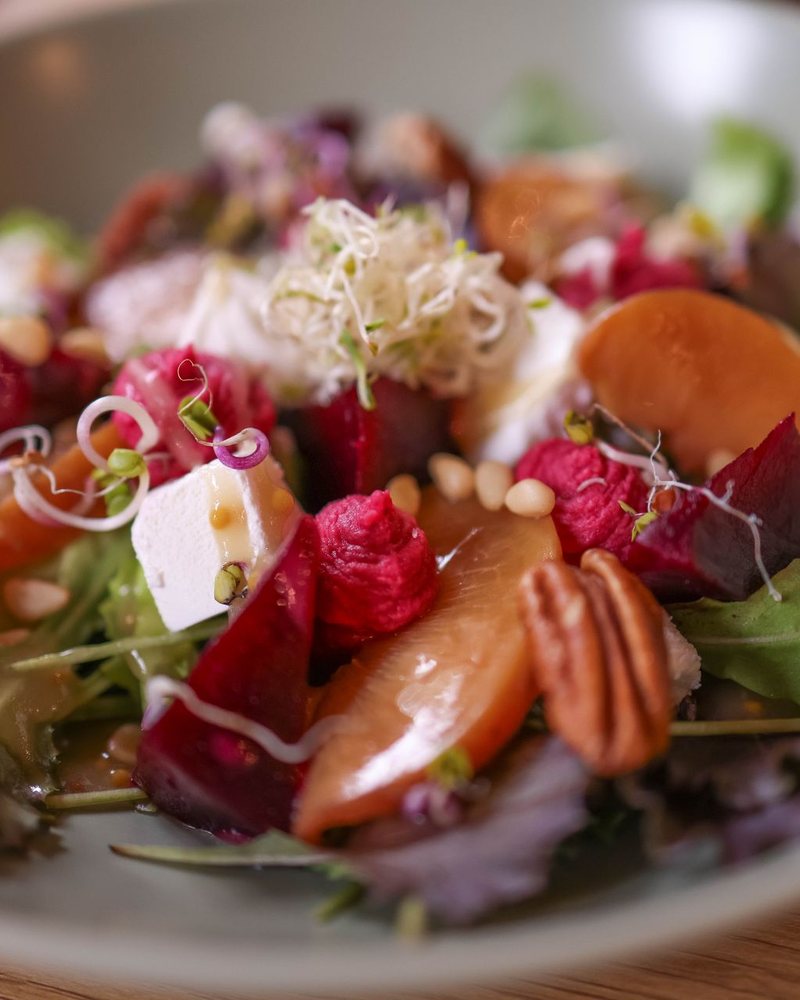
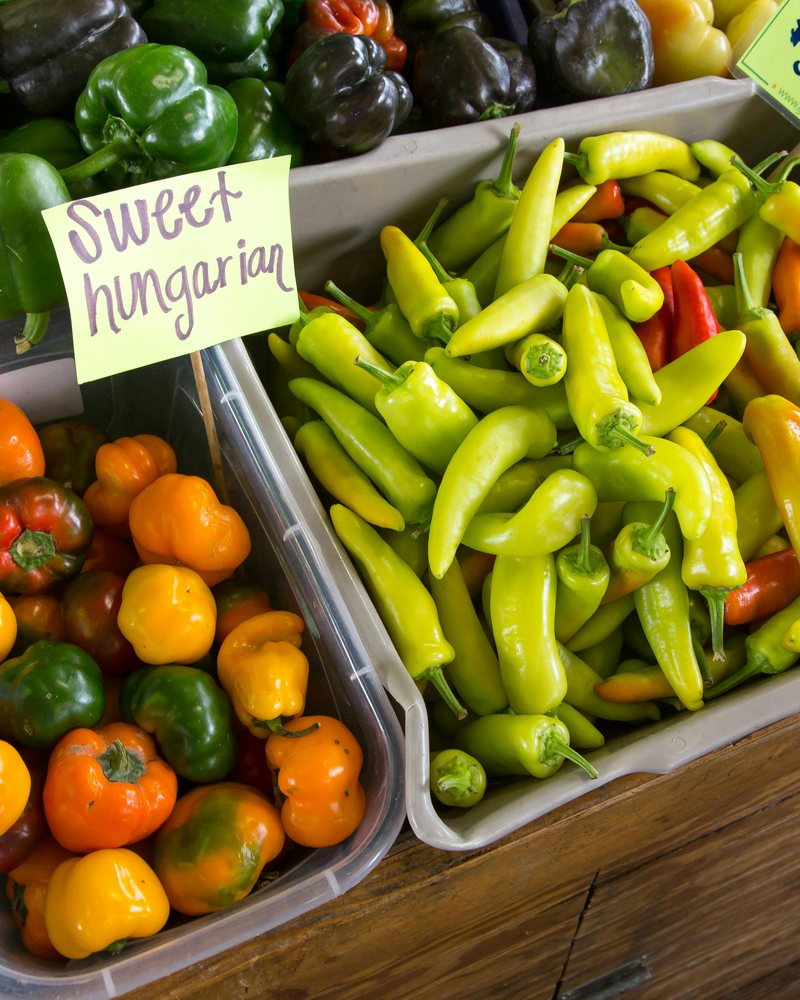
One of the simplest things an individual can do is change their diet. The Mediterranean diet, for example, includes a balanced consumption of fruits and vegetables, legumes, and grains, while limiting meat intake. This balanced diet is known to improve a person’s health, and also consists of foods that are known to have a lesser impact on the environment.

This is explained in the Double Food & Environmental Pyramid, outlined in the Barilla Center for Food & Nutrition’s Eating Planet. This tool links the nutritional and environmental impacts of food. Foods with the greatest impact on the environment — beef, cheese, and fish — are placed at the top, and foods with the lowest impact — fruits and vegetables — are placed at the bottom.

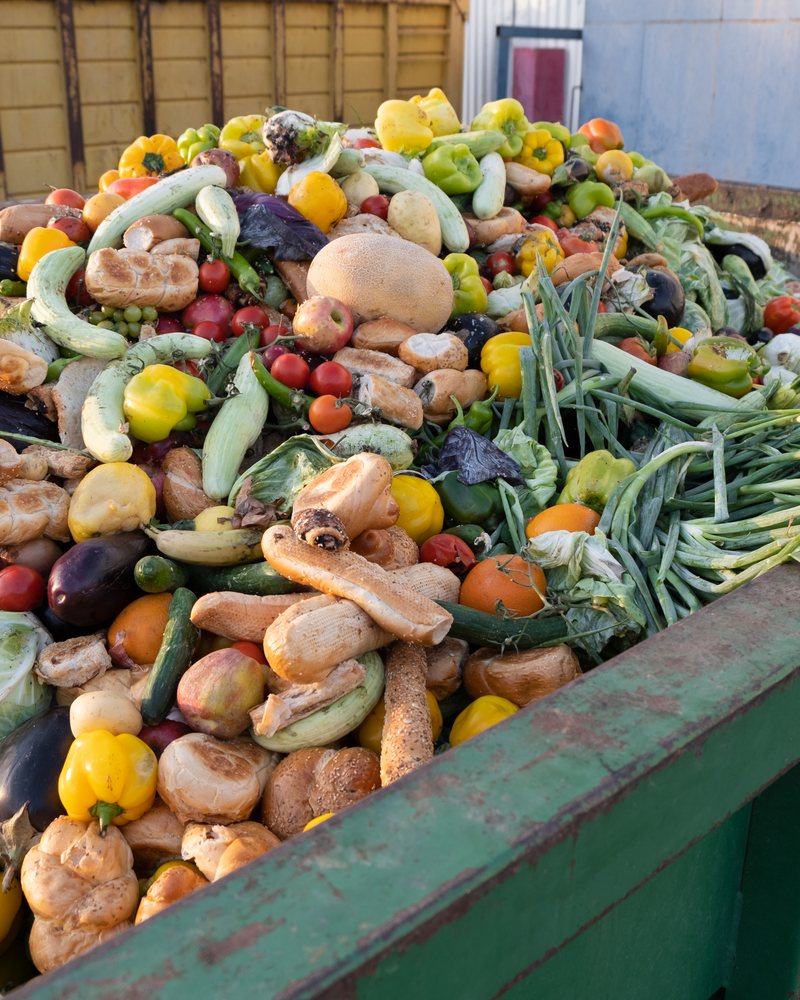
In addition, individuals and communities can reduce the amount of food that they waste. In the United States, roughly a third of all food is uneaten or is thrown away. Individuals can reduce their waste through better planning of their weekly meals and better food storage techniques. Restaurants and grocery stores can become involved in food recovery programs, which pick up nearly expired but perfectly edible food to distribute among food banks and other programs that feed those who are hungry.

Becoming involved in community-based nutrition and food system programs is another way to support sustainable agriculture. For example, FoodCorps, a division of AmeriCorps, is working to address childhood obesity by working in nutrition education, school gardens, and farm-to-school programs. These types of programs often partner with local organizations, and provide many opportunities to volunteer and get involved.

What does the food movement mean to you?

To be honest, I’m amazed that we still need a food movement. All of the things that we’ve been advocating for — safer, healthier, more nutritious, more just, and more humane food — all seem like common-sense ideas to me.

I think that, in many ways, the food movement has had a bad rap for being elitist, but what we’re really fighting for is tastier and healthier food, brought to our tables in a fair and responsible way. The solutions are already out there; they just need more support from the public, farmers, the business community, and policymakers.

About the perspective

Danielle Nierenberg

Danielle Nierenberg is president of Food Tank, the food system think tank she co-founded in 2013 with Bernard Pollack. She has spent her career reporting on sustainable agriculture and hunger and convening farmers, researchers, and policymakers who rarely share a table. In 2020 she received the Julia Child Award.

More Perspectives

Other voices from across the food system.

See all 
Q&A
Bryant Terry

The Joy of Good Food

Q&A
Anna Lappé, Anim Steel, and Bryant Terry

Local Food

Q&A
Jonathan Bloom

Reducing Food Waste