Urban Farms

Urban farms help city residents eat better and feed neighbors in need. Ian Marvy, founder of Added Value, shares what farming gives urban communities.

A Nourish conversation with Ian Marvy Themes: Food and Community, Farm to Fork

What challenges do urban communities face in accessing fresh food?

There are some unique environmental challenges in food deserts. In low-income communities and communities far from transportation, grocery stores are often not sited.

In communities like Red Hook in Brooklyn, New York, where I live, folks have limited options. They may need to get their produce from the local corner store or travel outside of the community to access a supermarket. That can be difficult for the elderly, as it can be expensive to use a cab, or it can take a lot of time to take a bus.

It’s important for individuals in vulnerable communities to have access to healthy, safe, and affordable food, as it is for all people. What we’re trying to do, is figure out creative ways to bring food into these communities by partnering with the city, the state, and farmers, and by growing food right here in the community.
What benefits do urban farms offer?

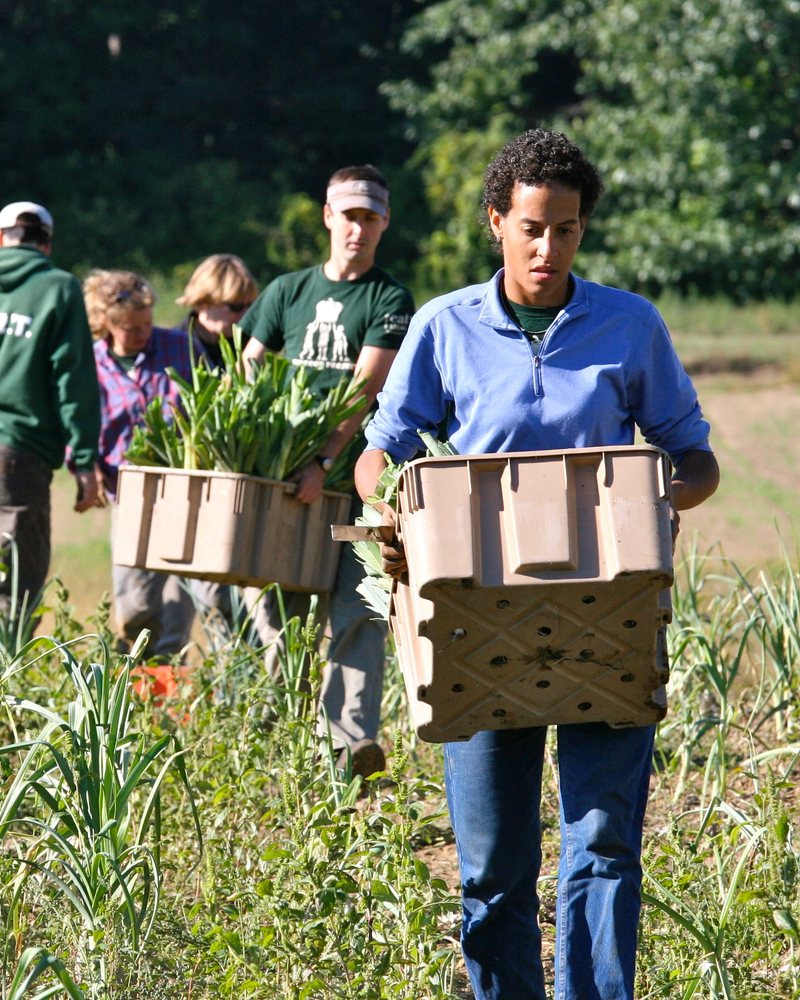
The value of an urban farm is multifaceted. An urban farm is a catalytic space. It’s a space of growth. A two-year-old might be given the opportunity to play outside, touch soil, and meet a worm for the first time. A senior citizen or an immigrant might have a meaningful connection to the land and food of their past. An urban farm can be a place where they grow those foods, pass on knowledge, and reconnect to their family roots.

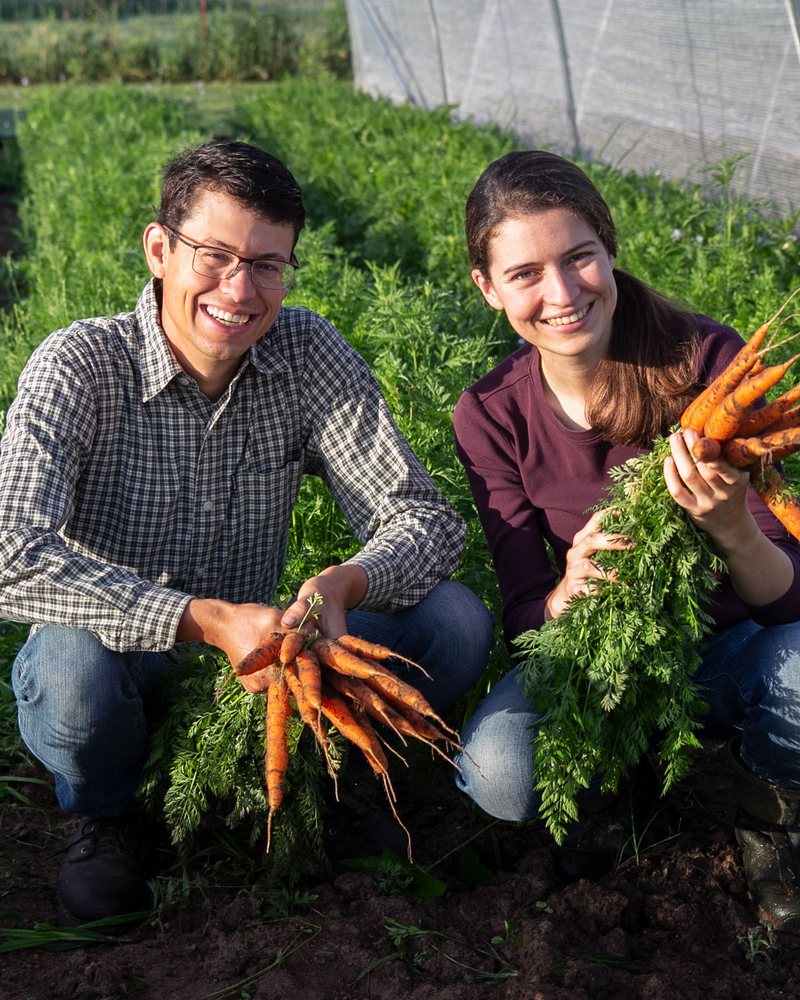
We’ve found that work on the farm provides people with a meaningful activity. They come here, they plant the seed, and through their hard work with their peers, they have a product. Whether they are five-year-olds growing salad to eat, or seventeen-year-olds growing heirloom tomatoes to sell, there’s a concrete result. That’s a huge reward for people in our society.

We generate a lot of activity here. We expect to sell tens of thousands of dollars’ worth of produce off of this 2.75-acre farm. That value is not just cash; it’s also nutrient value. With the lack of access to healthy, safe, and affordable food in a lot of communities, urban farms can supplement people’s diets. In some countries, urban farms contribute as much as 25 percent of the nutrient or fresh produce load for a city.

Why is it important for city dwellers to connect with their food?

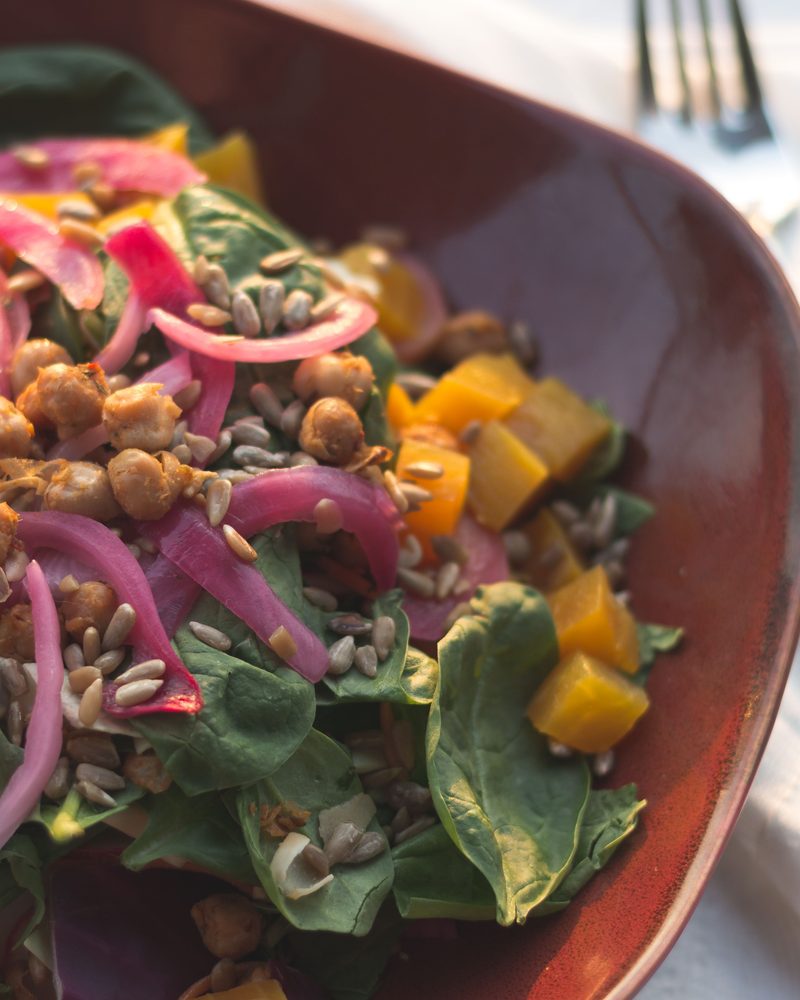
A meaningful connection to your food can provide all sorts of rewards. It can provide enjoyment in the kitchen, and an opportunity to educate yourself, your family, and your friends about healthy eating and cooking. Connection to locally grown food has a significant impact on folks’ health and well-being. It can also get you out in the countryside to see where farmers are living and growing food. Those are meaningful human interactions in our globalized world.

About the perspective

Ian Marvy

Ian Marvy co-founded Added Value in 2000 and launched its Red Hook Community Farm in Brooklyn a year later, building a youth-led urban farming and food justice organization that ran the farm until 2018. He later served as the USDA Farm Service Agency’s first urban agriculture outreach coordinator.

More Perspectives

Other voices from across the food system.

See all 
Q&A
Michael Pollan

Vote With Your Fork

Q&A
Lindsey Lusher Shute

Young Farmers

Q&A
Anim Steel

Youth Leading Change