Vote With Your Fork

Our food choices mirror our values. Author Michael Pollan encourages us to make every choice count by voting with our forks.

A Nourish conversation with Michael Pollan Themes: Justice and Policy, Cooking and Eating

Why do our food choices matter?

Food is not just fuel. Food is about family, food is about community, food is about identity. We nourish all those things when we eat well.

There is a lot of cultural wisdom in food. And indeed, that’s how we knew what to eat for all this time. We didn’t have scientists. We didn’t have industry, hawking products at us. We had food culture. Whether it’s the Mediterranean diet or the French diet or the Indian diet — there are so many traditional diets on which people live long, happy lives with very little chronic disease.

The one diet, so far, that we do not appear to be well-adapted to is the Western diet — the way most of us eat. This diet of lots of refined carbohydrates, lots of fat, lots of sugar. The diet that essentially has been invented over the last few generations. We know we’re not well-adapted to it. Why? Because it’s making us sick. Four out of the ten leading killers are chronic diseases linked to food.

One of the earmarks of the industrial food chain is keeping us stupid about our food choices, not giving us information. And the story of your food is very important, because it is the beginning of thoughtful eating.
How can our food choices express our values?

In your choices about food, you express what matters to you.

There is organic. The label organic has shown up in supermarkets all over the country. When you support organic, you’re supporting food that’s been grown without pesticides, without chemical fertilizers, and usually with more respect for the land.

There’s also local food. The local food movement is one of the most exciting things going on in the food world today. We’ve seen an explosion of farmers markets across the country. If you’re concerned about climate change, that’s one reason to change the way you eat. Eat closer to home, and eat less processed food, and you will cut down on the carbon footprint of that food choice.

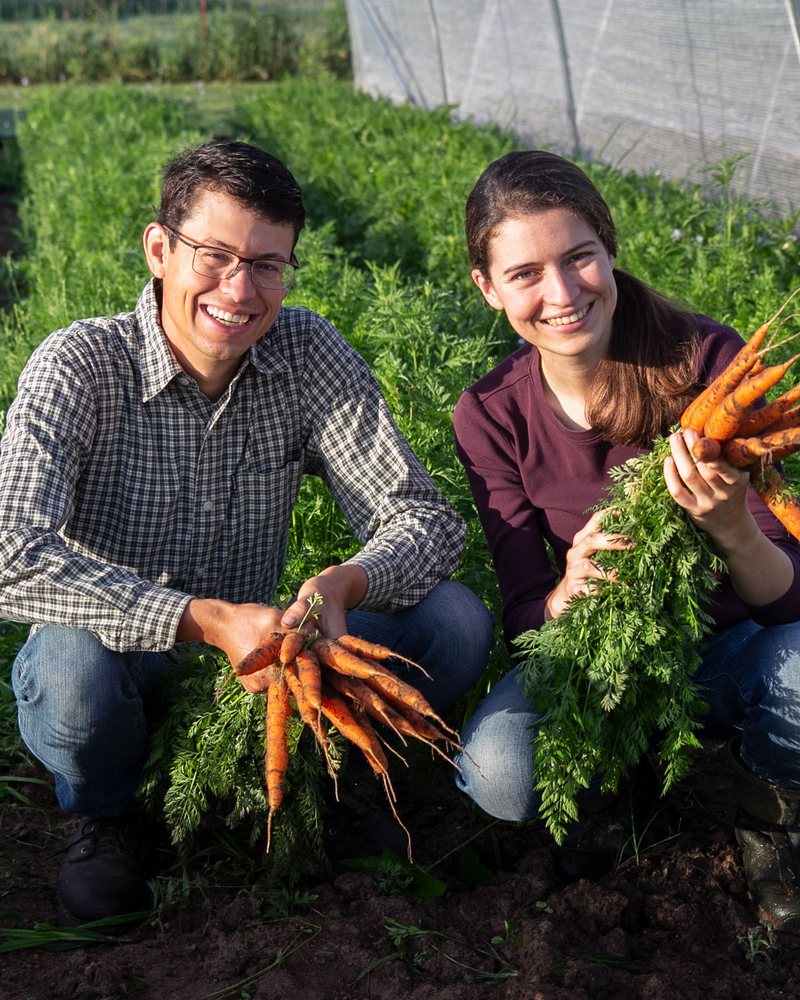
Another way we can support sustainable agriculture is by talking with the people feeding us. Asking questions, saying, “Do you have an organic alternative? Can you get local carrots next time?”

Good food tastes better — it is just such a rush of flavor. We have farmers now who are growing amazing peaches, amazing pears. The pleasure of eating these things is just something you don’t want to miss.

What does it mean to vote with your fork?

The wonderful thing about food is you get three votes a day. Every one of them has the potential to change the world. Now, it may seem a little daunting to think, “Oh my God, I’ve got to vote right three times a day.” And, you know, in fact, you don’t and you won’t. We all have our junk foods that we can’t resist, and that’s fine.

But if you get it right once a day, you can help produce a more sustainable agriculture and a cleaner environment, diminish climate change, and improve the lot of animals. That’s an amazing power that we have, and we all have it.

About the perspective

Michael Pollan

Michael Pollan is an author and journalist who writes about food, agriculture, and the human mind. Now emeritus at Harvard and at UC Berkeley’s Graduate School of Journalism, he spent decades reporting on how food is grown, processed, and eaten. His book The Omnivore’s Dilemma reshaped how Americans think about dinner.

More Perspectives

Other voices from across the food system.

See all 
Q&A
Lindsey Lusher Shute

Young Farmers

Q&A
Anim Steel

Youth Leading Change

Q&A
Anna Lappé

Be the Difference