What is an heirloom tomato?
Everybody asks me that. Heirloom seeds are brought from countries all over the world. Their seeds have been saved and selected. They’re old varieties that tend to have thinner skins. They don’t travel like your supermarket tomato would; they don’t bounce down the road. They’re delicate varieties that people have nurtured in their gardens and passed the seeds down from generation to generation.
When I was growing up, I knew about maybe three or four varieties of tomatoes because my grandfather had an organic garden. But I had no idea that there were hundreds of varieties of heirloom tomatoes, until I started delving more deeply into this work. I love going to the farmers market and seeing these oddly colored and shaped tomatoes — yellow, green, orange, striped, polka dot. Heirloom tomatoes are a great way to start conversations with people about the need for biodiversity.
Why should we preserve heirlooms?
When we talk about heirloom varieties, we’re talking about reclaiming many of the lost varieties that we might have seen decades or centuries ago. Heirloom varieties are grown by farmers and local producers who care about giving consumers not only healthy food, but also beautiful, interesting, diverse food varieties.
It’s important to preserve heirloom varieties because they’re a part of our heritage and culture, and that means something different in different parts of the world.
If we’re talking about Southern India, that might mean the hundreds of varieties of basmati rice. If we’re talking about different parts of the United States, that might mean multiple varieties of apples. This diversity is a part of our culture. It’s part of our history. When we lose diverse variety in our foods, we’re losing a part of ourselves.
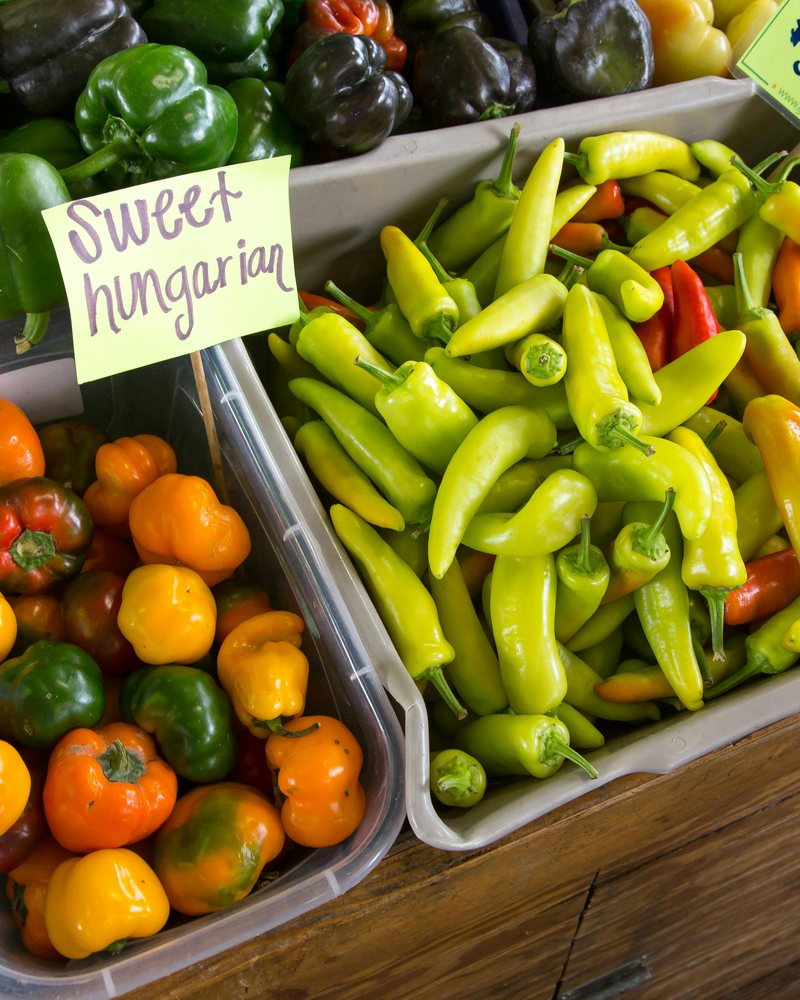
One way to get heirloom varieties is going to farmers markets. Many of the farmers trade seeds with people who care about maintaining or proliferating biodiversity. They give us the opportunity to experience these unique foods.