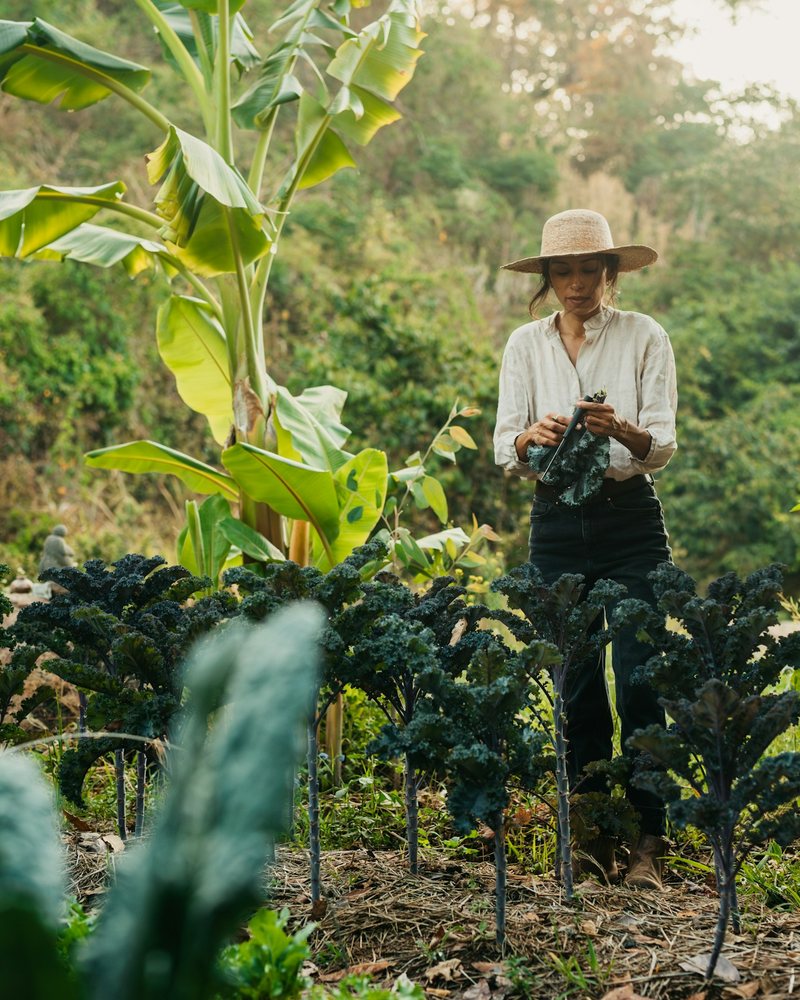
Eating With the Seasons

Local, seasonal food connects us to a place and a time. Chef Bryant Terry and author Anna Lappé share the joy of eating with the seasons.

A Nourish conversation with Bryant Terry and Anna Lappé Themes: Cooking and Eating, Farm to Fork

What does it mean to eat with the seasons?

Bryant Terry

I learned many things about food from my grandmother. When I was growing up, the food was as local as getting plums, peaches, and pears from the trees in our front yard, and greens, potatoes, and tomatoes from the garden in the backyard.

The seasonal aspect was something that I didn’t think about then, but we ate seasonally. We had all the fresh bounty during the summertime. My grandmother was invested in preserving, pickling, and canning many of the foods that wouldn’t be available in the winter months. So we would have some of the same foods, but in a different form.

Where do you find seasonal food?

Anna Lappé

Eating seasonally is eating locally. It’s eating what is available from your local environment. I don’t come from a farming family. I’ve never farmed. It wasn’t until I started going regularly to my farmers market that I really understood what was in season.

One of the best ways to know what’s in season is to go to your farmers market and see what regional farms are producing. Thankfully, we have more than 8,000 farmers markets across the country. If there isn’t one in your community, there are many ways to find out how to start your own farmers market.

Bryant Terry

For those of us who have access to farmers markets, I think that’s one more argument for going and seeing what’s available. You get a sense of exactly what’s being harvested during that time of the year, and that is what the majority of our diets should be. Am I saying that I don’t eat fruits that aren’t in season sometimes? No. But I think it’s about striving for this ideal and allowing ourselves wiggle room.

When we shop at large conventional grocery stores, it’s harder to get a sense of what’s local and in season. We have a bounty of food from all seasons, but most of the time, it’s being shipped from across the country or globe.
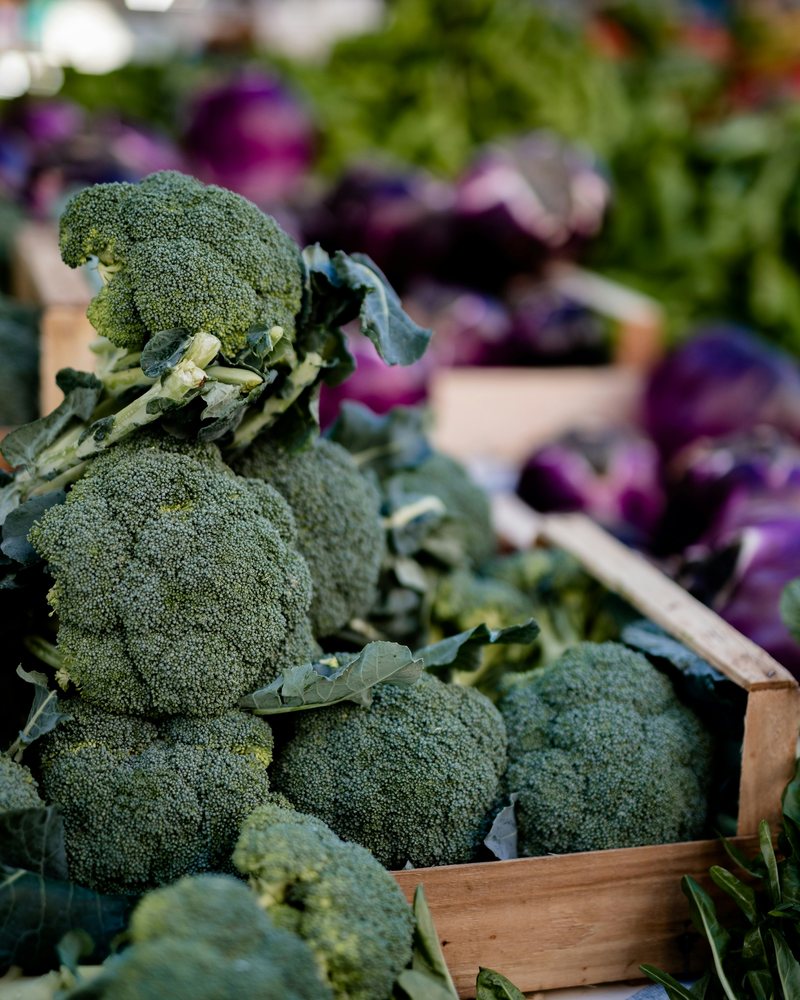
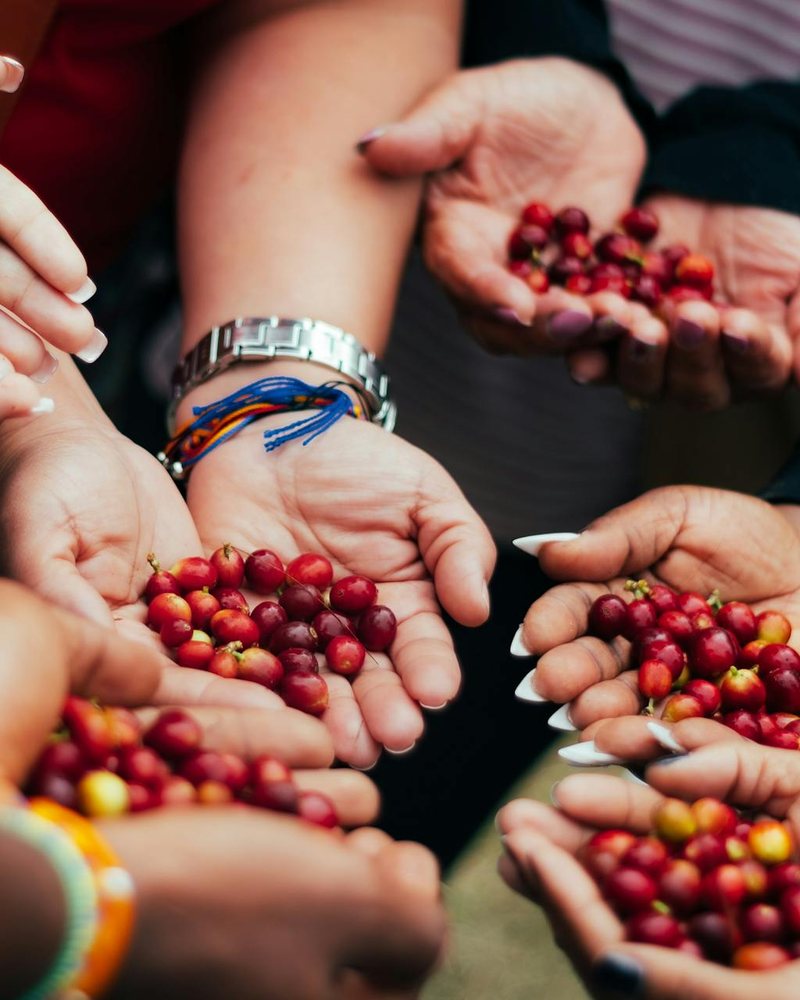
Courtesy of Filaree Fruit: Real Organic Certified

What are some examples of eating seasonally?

Bryant Terry

In the winter, we gravitate to foods that are going to ground us and give us the warmth we need during colder months. We might have root vegetables — carrots, parsnips, rutabagas — things that grow beneath the ground.

In the summertime, eating these foods can be taxing and make us feel heavy. That’s when we seek out lighter foods, such as strawberries, and fresh greens and nightshades like tomatoes and peppers. Think about how to be in tune with what your body needs, getting a sense of feeling most energized.

What’s the joy of eating seasonally?

Anna Lappé

The joy of eating seasonally is the joy of fresh produce and fresh foods. It’s that much more exciting when your favorite foods come back into season. I also have found that, as I’ve learned to eat more in season, I’ve lost cravings for certain foods when it’s not the right season for them. Part of that is because I know how disappointed I will be by how they taste.

Of course, it’s a lot easier to eat seasonally in certain parts of the country than others, but no matter where you live, I think there are ways to bring more seasonal food into your diet.

About the perspective

Bryant Terry

Bryant Terry is a James Beard Award–winning chef, author, and artist whose work connects food, justice, and the African diaspora. Founder and editor-in-chief of the 4 Color Books imprint, he writes cookbooks that put seasonal, locally grown produce at the center of the plate. His anthology Black Food won an NAACP Image Award.

About the perspective

Anna Lappé

Anna Lappé is Executive Director of the Global Alliance for the Future of Food and founder of Real Food Media. A longtime advocate at the intersection of food systems, climate, and justice, she co-founded the Small Planet Institute with her mother, Frances Moore Lappé, and wrote Diet for a Hot Planet.

More Perspectives

Other voices from across the food system.

See all 
Q&A
Oran Hesterman

Fair Food

Q&A
Anna Lappé and Bryant Terry

Fair Trade

Q&A
Daphne Miller

Farmacology