What is “fair food”? What are the principles of a fair food system?
Oran Hesterman: The idea behind fair food is quite simple: Everyone should have the right to healthy food, just as they should have the right to a good education for their children and access to adequate healthcare.
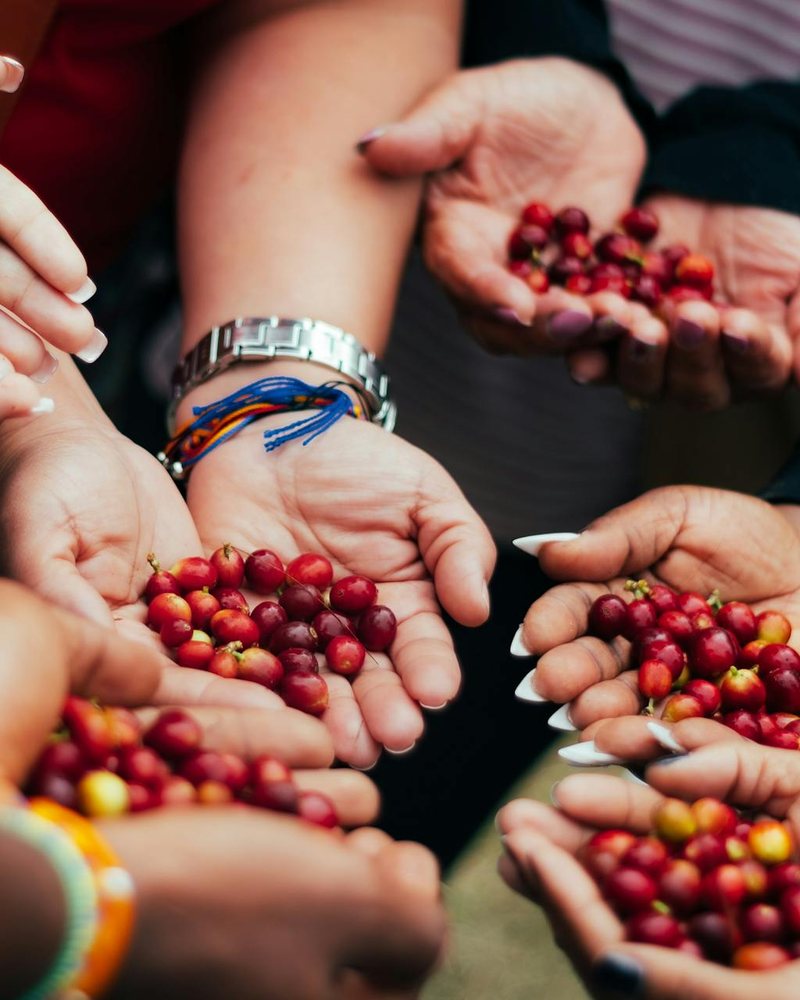
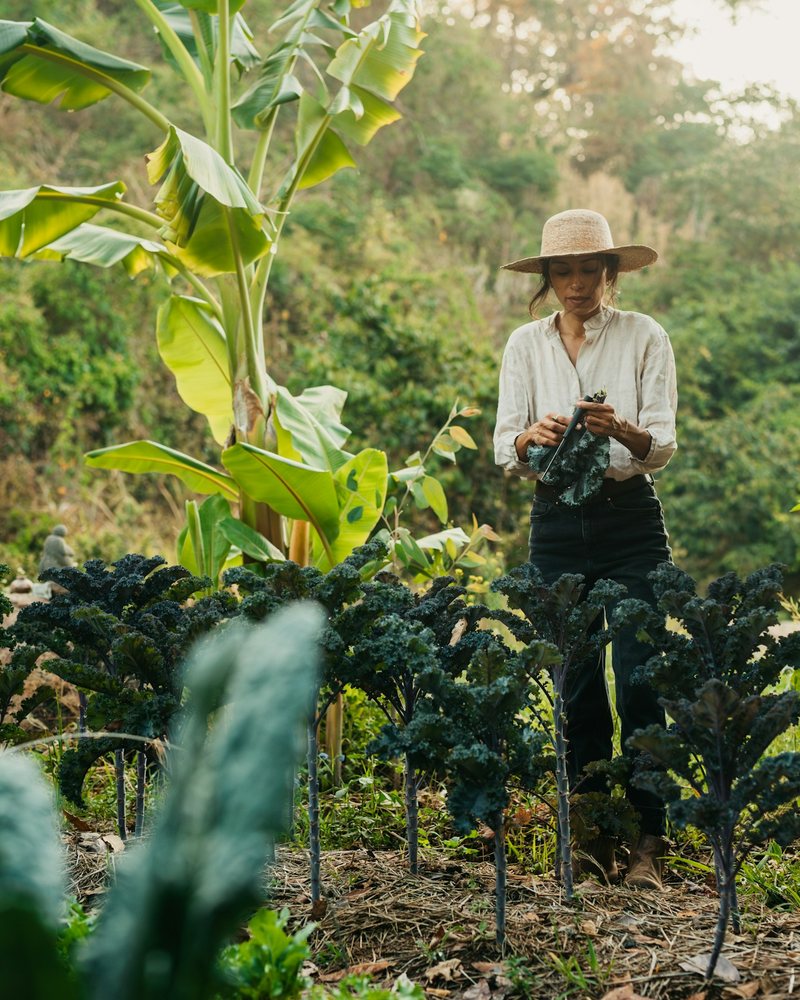
Fair food is food grown in a way that is environmentally friendly, that is healthy, and that provides for the economic wellbeing of everybody in the system, from production to processing to distribution. A fair food system is based on the principles of equity, diversity, ecological integrity, and economic viability.
What are some examples of these principles in action?
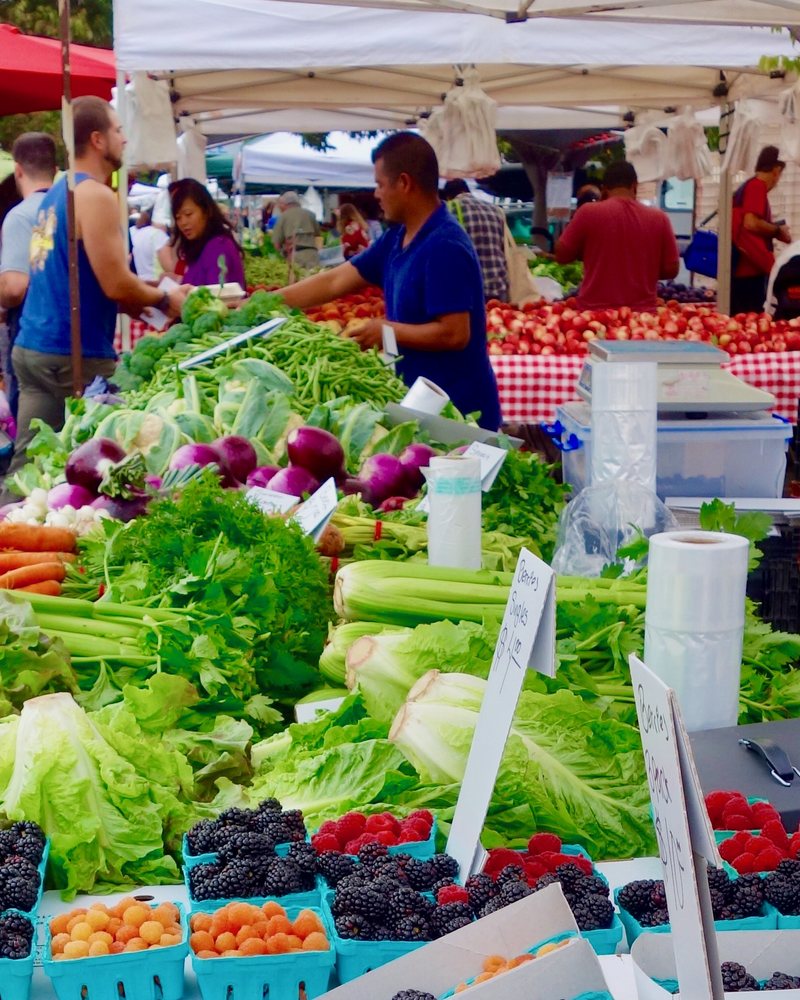
Oran Hesterman: Fair Food Network’s Double Up Food Bucks (DUFB) program in Michigan has proved to be an outstanding model program that provides monetary incentives to low-income shoppers, encouraging them to spend their federal food assistance dollars (also known as SNAP benefits) at farmers markets.
When customers use their SNAP benefits at participating farmers markets, they receive an equal number of tokens that can be used at the markets to purchase fresh, locally grown fruits and vegetables. The program makes healthy food more accessible to low-income urban families while creating new sales opportunities for farmers, thereby supporting the local economy.
Organizations such as Red Tomato in Boston, Farm Fresh Rhode Island, and Detroit Eastern Market are working as food hubs to aggregate, market, and distribute locally produced food. Their efforts free up time, labor, and cost for the farmers, while streamlining the distribution of local food to consumers and institutions such as schools, restaurants, hospitals, and even grocery stores.