Why are family meals important for children’s health and wellbeing?
There are many benefits in the simple act of sitting down to eat dinner together. Kids get better grades in school, are less likely to do drugs, and develop healthier eating habits.
Family meals provide deep emotional benefits. They boost self-esteem and resiliency, and the ritual gives children a sense of safety and normalcy. It is a consistent place where they have access to their parents, and their parents have access to them. When you make the table a treasured place, you are sending a message to your loved ones: This time together — to share food, laugh, and talk — is sacred.
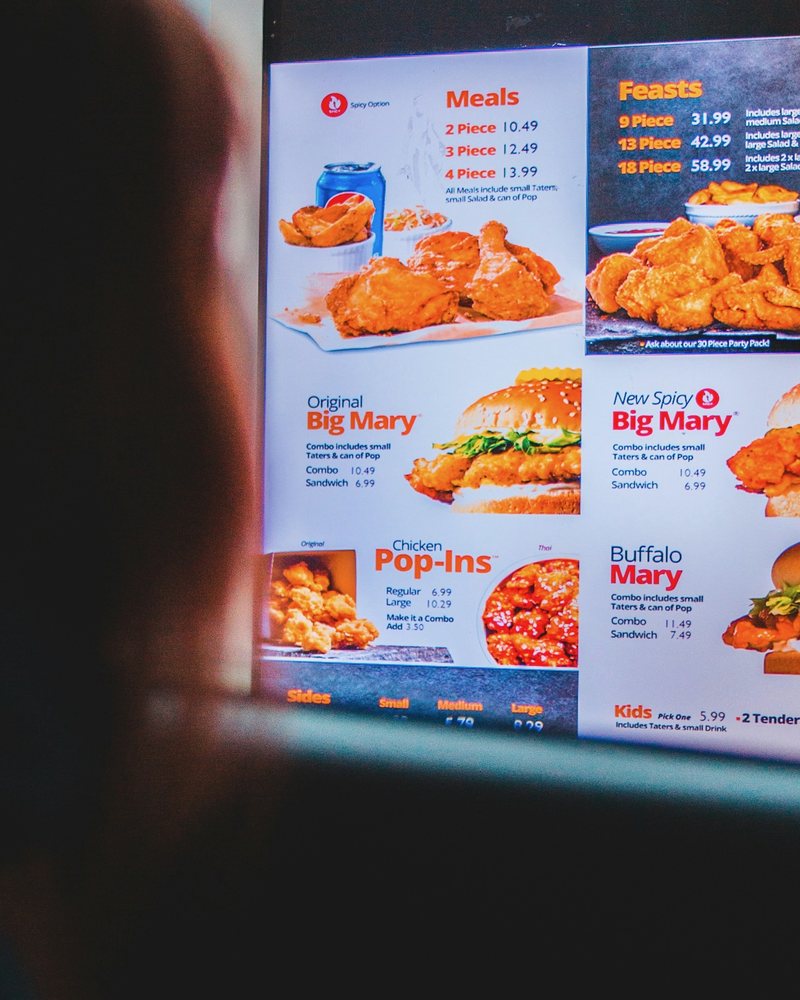
From a health perspective, only when we cook for ourselves do we really know what we are eating. If all your meals come from take-out, restaurants, or the processed food aisle in the grocery store, you can be pretty sure the food is higher in fat, sodium, and sugar. Sharing family meals gives parents the opportunity to teach kids how to eat well, what size portions to take, and manners.
What sort of education happens in the home kitchen and at the dinner table?
The kitchen is the best place in the house to practice and teach green values, such as buying food locally, in season, and organic; using cloth napkins and real glasses, plates, and utensils; and growing your own herbs and composting. All of these choices and actions help us to live more sustainable, healthy lives, while also saving money.
The dinner table is where we learn how to debate and listen to each other. Parents model conversation skills every time they have a discussion. It’s a great place for verbal games and teaching word definitions and spelling. Everyone can learn something while having fun.
Eating together also teaches gratitude. Dr. Wendy Mogel says that gratitude is a muscle, and it needs to be exercised. What better place than at family dinner, where there is much to be grateful for?