How does Farm to School benefit both the schools and communities?
The number of Farm to School programs has exploded across the country. From just a handful in the late nineties, we now have more than 70,000 schools participating.
The major aims of the Farm to School approach are healthy children, healthy farms, and healthy communities. These programs are based on the premise that students will choose healthier foods if products are fresh, locally grown, and picked at the peak of their flavor, and if those choices are reinforced with educational activities.
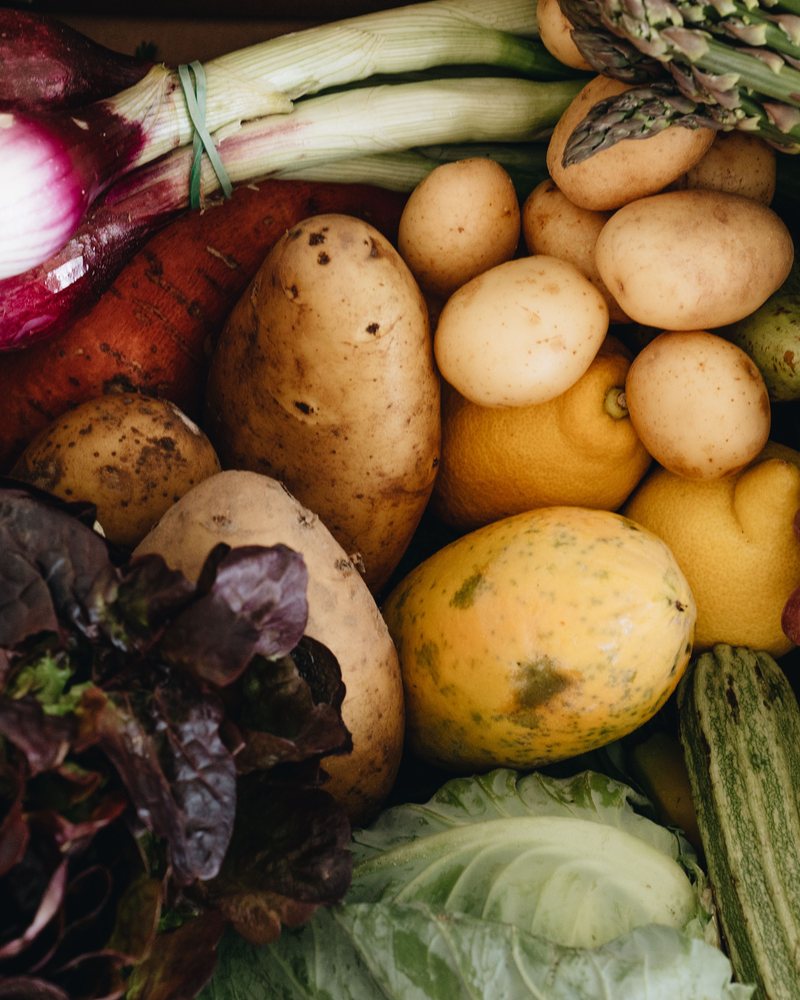
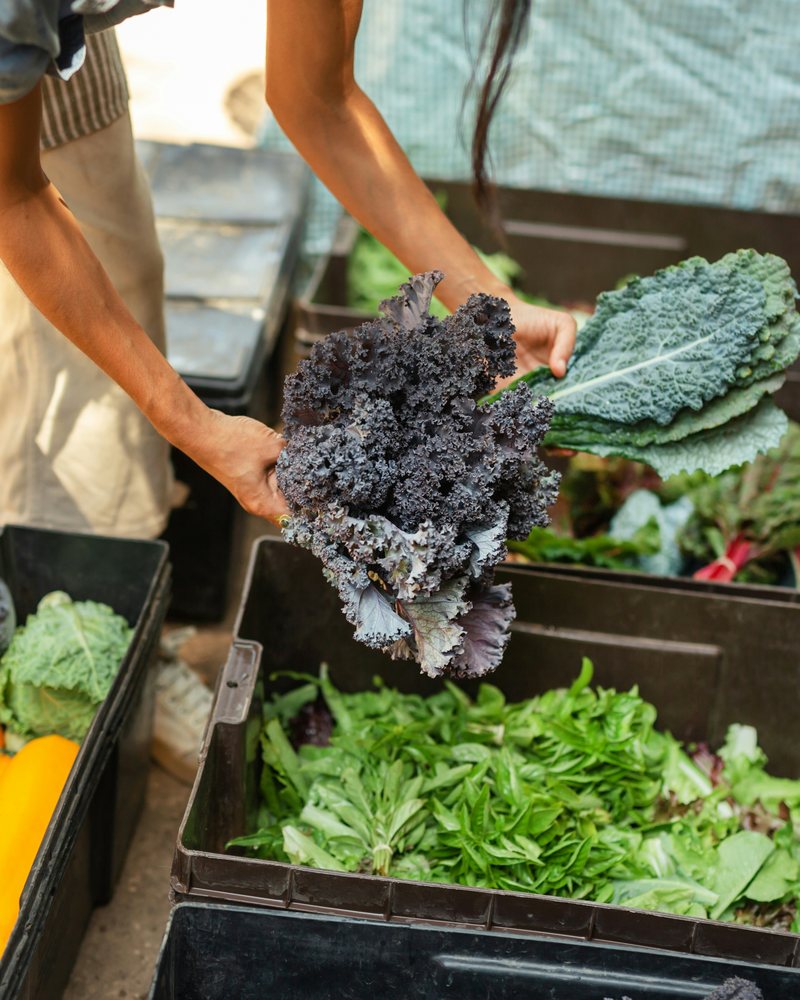
Farm to School benefits students by introducing them to farm-fresh fruits and vegetables. It benefits communities by providing an additional marketing avenue for farmers and keeping food dollars local.
How does a school or district build relationships with farmers in its region?
In starting a Farm to School program, there are a number of ways that schools can build those relationships. By connecting with agricultural organizations, schools can arrange to meet local growers, find out what’s in season, and what products might work with their menus.
Visiting local farmers markets and speaking with both the market manager and the farmers can also be very informative. Many farmers markets, as well as state or county agriculture offices, can provide schools with lists of farmers in the region.
Distributors may also have connections with local growers. Meetings with food service staff and growers, where growers bring samples of their products, can be very successful in making the connections necessary for schools to purchase local fruits and vegetables.
What are some of your favorite examples of fresh, seasonal food delivered to schools?
Since Farm to School programs operate in small and large districts, in both urban and rural areas, and in all regions of the country, the seasonality of the products is evident from coast to coast and beyond.
In Maine, students eat local lobster rolls for lunch, while in Oregon, lentils and local cherries are popular. In Alaska, Cooperative Extension Service partnered with local barley farmers and the Fairbanks North Star Borough School District to incorporate barley into school recipes. In Florida, school children eat collard greens and sweet potato sticks.